Coastal Boat Coverage
Boat Insurance in St. Pete, FL
Get local boat coverage guidance today.
What You Need First
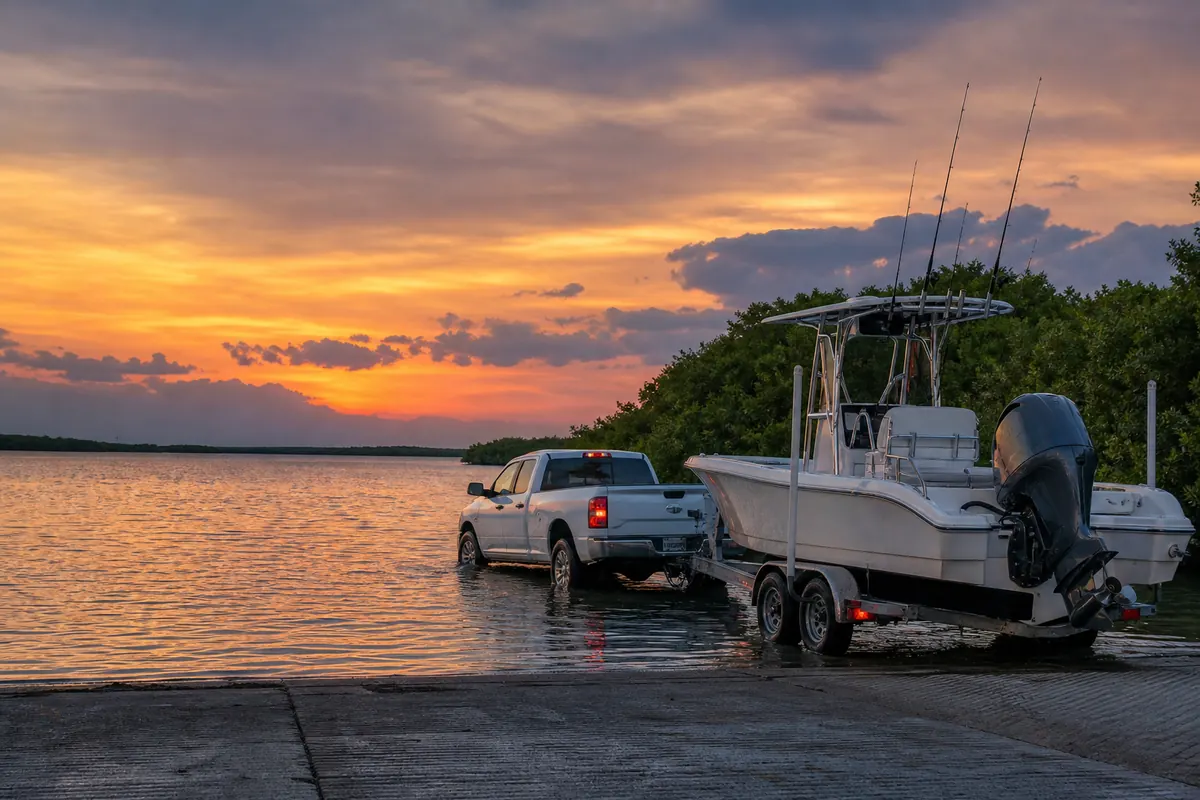
The bridges, Bayway and 4th St N put boat trailers into daily traffic fast. If you keep a boat in St. Pete, the first question is simple. What needs to be covered before the next trip, storm watch or marina request. Boat insurance is not required by the state in the way auto insurance is, but lenders and marinas often ask for it, and many owners want protection for liability, damage to the boat, theft, towing and trailer issues. We help you sort the parts that usually matter here and a licensed agent follows up.
St. Pete boat use is varied. One owner trailers a center console across Gandy Blvd at daybreak. Another keeps a pontoon near the waterfront and worries more about named storms and haul-out rules. Sailboats, personal watercraft and boat trailers raise their own questions too. We give you clear information on the common choices, the gaps people miss and the local details that often affect a policy, including storage, navigational limits and whether the value settlement is agreed value or actual cash value.
Boat Insurance Across Pinellas County and Nearby
- St. Pete, FL
- Downtown St. Pete, FL
- Snell Isle, FL
- Old Northeast, FL
- Shore Acres, FL
- Historic Kenwood, FL
- Crescent Lake, FL
- Coquina Key, FL
- Lakewood Estates, FL
- Pinellas Point, FL
- Disston Heights, FL
- Jungle Terrace, FL
- Gulfport, FL
- St. Pete Beach, FL
- Treasure Island, FL
- Pass-a-Grille, FL
- Tierra Verde, FL
- South Pasadena, FL
- Pinellas Park, FL
- Kenneth City, FL
- Madeira Beach, FL
What Boat Insurance Covers
Most boat policies are built from a few core parts, then adjusted for how and where you use the boat. The useful work is in the details. A policy may fit a trailered personal watercraft very differently than a financed sailboat kept at a marina near the downtown waterfront.
Liability coverage
Liability generally helps with damage or injuries you may cause while using the boat. That can matter at a marina, at the ramp, underway or while towing a skier or tube if the policy allows that use. Limits vary, and some owners add more because marina contracts or lender terms may call for it. We help you check where liability applies and whether fuel spill or wreck removal terms are included.
Hull damage
Hull coverage generally applies to damage to your own boat from covered causes. The key issue is how the value is settled after a loss. Agreed value usually pays based on the value listed in the policy, subject to terms. Actual cash value usually reflects depreciation. That difference matters more on newer boats, financed boats and boats with added electronics, towers or other equipment.
Storm and non-collision losses
Comprehensive-style boat coverage often addresses problems other than a collision, such as theft, fire, storms and, depending on the form, certain weather-related damage. In coastal Pinellas, named-storm language deserves a close read. Some policies may require a haul-out plan, a storm preparation step or a special deductible for hurricane losses. We help you review those parts before storm season rather than after a claim.
Uninsured boater coverage
Some owners ask what happens if another boater causes damage and has little or no insurance. Uninsured or underinsured boater options may help in that situation, depending on the policy wording. It is optional, but it can be worth reviewing if you spend time in busy local waters or around docks where contact losses happen. The important point is to see what the policy actually includes, not assume.
Towing and assistance
Towing on the water can get expensive quickly, and routine roadside towing for your vehicle does not usually solve a disabled boat offshore or near a pass. Boat policies may offer towing and assistance options with set conditions. Some owners want this because a dead battery or mechanical issue can turn into a long day. We help you compare whether towing is built in, limited or better added separately.
Trailer coverage
A boat trailer often needs its own review. Damage while stored, theft of the trailer, tire or axle problems and liability questions during transport do not always land where owners expect. If you cross the Gandy, Howard Frankland or Sunshine Skyway bridges with a trailer, road exposure matters. We help you confirm whether the trailer is listed, how physical damage is handled and whether gear on the trailer is addressed.
Navigational limits and lay-up
Boat policies commonly set navigational limits. Those are the waters where coverage generally applies. If you plan to run outside the usual area, store the boat elsewhere for part of the year or stop using it for a season, the policy may need to reflect that. Lay-up periods can affect price and claims handling. We help you check where the boat can go and what seasonal limits may mean.
Why Choose Us for Boat Insurance?
We Keep It Plain
Boat insurance wording gets slippery fast. We explain the usual choices in normal language, including liability, hull value, towing, trailer protection and storm provisions. You get a cleaner starting point before a licensed agent follows up with policy options and next steps.
Built for St. Pete
Local use shapes local questions. Here, boats move through bridge traffic, older brick streets in some neighborhoods, flood-prone waterfront areas and busy event days downtown. Those details can affect storage, trailer use and storm planning more than a generic quote form ever will.
Attention to Requirements
Many boat owners come to us because a marina, lender or storage yard asked for specific proof of coverage. We help you identify what that request usually means, what documents may be needed and which policy sections deserve a closer look before you commit.
How to Review It
List the Boat
Start with the basics. Vessel type, length, motor details, trailer, added equipment and where the boat is kept. If a lender or marina gave you insurance requirements, keep those in front of you from the start.
Match the Use
Think about real use, not ideal use. Trailered on weekends, stored at a marina, crossing local bridges, running coastal waters or sitting during part of the year. Usage affects the policy sections that matter most.
Check Value Terms
Review how the policy handles the boat's value after a covered loss. Agreed value and actual cash value can lead to very different results. This deserves attention before you compare premiums alone.
Read Storm Conditions
In this area, storm wording needs a calm read. Look for named-storm deductibles, haul-out language, storage expectations and any preparation duties that may apply if severe weather is approaching.
Confirm Limits and Proof
Last, confirm liability limits, towing options, trailer handling and any documents a marina or lender may need. Once the outline is clear, a licensed agent can follow up with options that fit the boat and how you use it.
Where to Check Rules
For Florida vehicle insurance rules and registration information, check the Florida Department of Highway Safety and Motor Vehicles. For insurance consumer help and policy questions, the Florida Department of Financial Services consumer helpline is also a useful source. Boat insurance itself is generally not required by the state, but official sources are still the right place to confirm current rules, complaint contacts and basic insurance information before you rely on a summary on any website.
What Affects Cost
Boat insurance price usually depends on the boat, where it is kept, how it is used and how much protection you want. A financed boat may need broader terms than an older boat kept on a trailer at home. A center console used often in coastal waters can rate differently than a pontoon used occasionally. The value basis also matters. Agreed value and actual cash value can lead to different premiums because they handle losses differently.
Premium also tends to move with practical factors. For a trailered boat, the driving record of the people towing it may matter. The type of tow vehicle can matter too. Where the boat is parked or stored, your deductibles, your liability limits, how often the trailer is on the road and who in the household uses the boat can all affect price. Added equipment, towing options and named-storm provisions may change it as well.
Boat Insurance Questions We Hear
Is boat insurance required in Florida?
Florida generally does not require boat insurance to own or use a boat. That said, marinas and lenders often require it, and many owners want it for liability and damage protection. If your boat is financed or stored under a marina contract, review those requirements first so you know the minimum terms they may ask for.
What is the difference between agreed value and actual cash value?
Agreed value usually means the policy lists a value for the boat and may settle covered total losses based on that amount, subject to policy terms. Actual cash value usually reflects depreciation at the time of loss. Newer boats and financed boats often deserve a closer look here because the gap between those methods can be meaningful.
Does my boat trailer need its own coverage?
Often, yes, or at least its own review. Some policies include trailer protection, while others treat it more narrowly. If the trailer is stolen, damaged in storage or involved in a road loss on I-275, Gandy Blvd or the Bayway, the outcome may depend on how it is listed. It is worth checking before you tow.
Will a boat policy cover hurricane haul-out or storm prep?
It may, but this is where wording matters. Some policies offer haul-out reimbursement or named-storm provisions. Others may require a written storm plan, a storage step or carry a separate storm deductible. In St. Pete, owners near waterfront areas usually want to check this before a storm is in the Gulf, not after warnings start.
Can I use the same policy for a personal watercraft or sailboat?
Sometimes, but not always. Personal watercraft, sailboats, center consoles and pontoons often rate and cover differently because their use, speed, storage and equipment differ. Navigational limits may also change by vessel type. The safer approach is to review the exact vessel, trailer and intended use rather than assume one form fits every boat.
Contact Us Today for a Free Estimate
Ready to review boat insurance for your St. Pete vehicle or property? Tell us what you have and we will follow up.
Free, no obligation