Unit Owner Coverage
Condo Insurance in St. Pete, FL
Start with your association policy, then fill the gaps.
What Condo Insurance Does
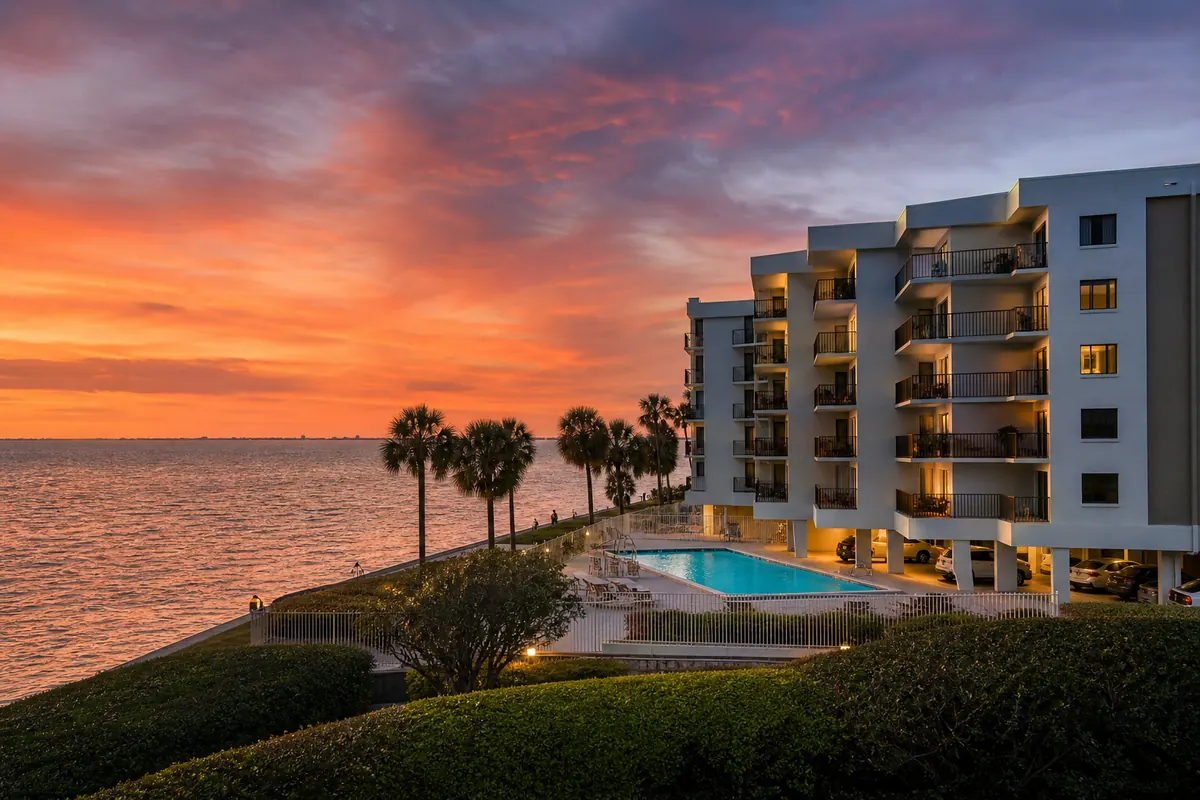
A common mistake is thinking the condo association policy covers your whole unit. It usually does not. In many St. Pete buildings, the master policy mainly covers the structure and common areas, while your own policy handles the parts of the unit that are yours to insure. That may include flooring, cabinets, countertops, appliances, interior walls, personal property and your liability. If you own near the downtown waterfront, on a flood-prone street, or in an older building with brick details and updated interiors, those lines matter more than people expect.
The other mistake is buying a policy before reading the condo documents. Your association may insure only bare walls, or it may cover more. You need to know where their responsibility stops and yours starts. That matters whether your place is a high-rise near Beach Drive, a unit by Central Ave, or a garden-style complex off 4th St N or 34th St. In St. Pete, weather, water, vacancy periods and short stays away from the unit can all change the risk. A quick review now can prevent a long argument later.
Condo Insurance Across Pinellas County and Nearby
- St. Pete, FL
- Downtown St. Pete, FL
- Snell Isle, FL
- Old Northeast, FL
- Shore Acres, FL
- Historic Kenwood, FL
- Crescent Lake, FL
- Coquina Key, FL
- Lakewood Estates, FL
- Pinellas Point, FL
- Disston Heights, FL
- Jungle Terrace, FL
- Gulfport, FL
- St. Pete Beach, FL
- Treasure Island, FL
- Pass-a-Grille, FL
- Tierra Verde, FL
- South Pasadena, FL
- Pinellas Park, FL
- Kenneth City, FL
- Madeira Beach, FL

Where Gaps Usually Start
Most HO-6 condo policies are built to cover the inside of your unit and your share of certain problems that the master policy does not fully handle. The exact split depends on your condo documents and the policy language, so the first job is matching your unit to the association rules instead of guessing.
Association Policy Vs. Your Unit
The master policy often covers the building shell, roof and shared spaces. That does not mean it pays to rebuild your kitchen or replace the flooring inside your unit. Some associations insure more than others, but unit owners are often responsible for walls-in items and finishes. Before choosing limits, compare the master policy with the condo declaration so you know which repairs may come back to you after a loss.
Interior Improvements and Fixtures
Many St. Pete condos have been updated over time. Tile replaced carpet. Standard counters became stone. Basic cabinets became custom work. Those upgrades are usually the first place people come up short. Your HO-6 policy may need enough dwelling coverage to repair or replace improvements inside the unit after a covered loss. This is especially important in older neighborhoods where units have original layouts but newer interior materials.
Personal Property Inside the Unit
Furniture, clothing, electronics, kitchen items and other belongings are usually your responsibility, not the association's. That matters whether you live in the unit full time or use it seasonally. Water damage, smoke, theft and certain storm-related losses may affect contents even when the building itself is still standing. If your condo sits near the waterfront or along roads that see storm runoff, think about what you actually keep there year round.
Liability and Guest Injuries
Condo insurance often includes personal liability coverage. That may help if someone is hurt inside your unit or if you cause damage that affects another unit. In stacked buildings, a small leak or kitchen problem can turn into damage next door very quickly. Liability questions also come up when contractors, cleaners or guests are in the unit. The association's policy generally does not step in for every claim tied to your private living space.
Loss Assessment Coverage
This part is often missed. If the association has a covered loss and the master policy does not pay the full amount, owners may be assessed for a share. Loss assessment coverage may help with certain charges, subject to the policy terms. In a large St. Pete community, that issue can come up after wind damage, a fire in a common area, or a liability claim involving shared property. It is worth checking before there is a board notice.
Loss of Use and Temporary Living
If your unit becomes unlivable after a covered loss, your policy may help with extra living expenses while repairs are made. That can matter more in St. Pete than people think. A unit may be technically intact but still not livable because of moisture, cleanup delays, elevator outages or building-wide repair work. In a busy area near the Pier, downtown events and limited parking can make temporary arrangements harder, so this coverage deserves a close look.
Flood, Hurricane Deductibles and Seasonal Use
Flood is generally separate from an HO-6 policy. That matters for waterfront buildings, low-lying streets and units near the Bayway or other flood-prone areas. Wind losses may also be subject to a separate hurricane deductible. Seasonal and rented-out units need extra attention because occupancy affects how a claim may be handled. High-rise condos and garden-style buildings can have different exposure to wind, water entry and maintenance issues, so one setup does not fit every unit.
Why Choose Us for Condo Insurance?
We Start with Documents
We do not guess at walls-in responsibility. We ask about the master policy, the condo declaration and how the unit is used. That usually gets you to the real coverage question faster than talking in general terms about condo insurance.
Built for St. Pete
St. Pete condos vary a lot. A downtown high-rise is different from a low-rise building near older brick streets or a waterfront complex with flood exposure. We write for this area, so the discussion stays tied to the way local buildings are actually used.
Clear Next Steps
You get straightforward guidance on what to gather, what to ask the association for and where common coverage gaps tend to show up. A licensed agent follows up, but the first step is simply getting the facts lined up in a way that makes sense.
How to Review It
Get the Master Policy
Ask the association for the current master policy summary and any insurance responsibility language in the condo documents. Without that, it is hard to tell where building coverage ends and your unit coverage should begin.
List Unit Upgrades
Write down the interior features you would actually need to rebuild. Flooring, cabinets, counters, built-ins and appliances matter. This is where many owners understate the amount of coverage their unit may need.
Check Water Exposure
Think about flood, storm runoff and the building's location. A condo near the waterfront or on streets that collect water may need a separate flood policy review even if the association insures the main structure.
Match Use and Occupancy
Tell us whether the condo is your main home, a seasonal place, or a unit you rent out at times. Occupancy details can affect which policy setup makes sense and where restrictions may appear.
Review Limits Carefully
Once the facts are clear, review dwelling, contents, liability, loss assessment, loss of use and deductibles together. The goal is not the longest policy. It is a policy that matches the way your St. Pete condo is actually owned and used.
Check Florida Rules
For official Florida requirements and consumer information, start with state sources. The Florida Department of Highway Safety and Motor Vehicles is the official source for vehicle insurance and registration rules, which matters if you are comparing insurance requirements across policy types. For condo insurance questions, claim concerns and consumer help, the Florida Department of Financial Services consumer helpline is a useful place to check current guidance. We can help you sort the paperwork, but state agencies publish the final rules.

What a Policy Costs
A condo policy price usually turns on the unit itself, the building, and the coverage choices more than anything else. The association's master policy matters because it affects how much walls-in coverage you may need. Premiums may also change based on the age and condition of the building, how close the unit is to water, whether flood is added as a separate policy, the deductible you choose, and whether the condo is owner occupied, seasonal, or rented out part of the year.
Other factors that may move the premium include the amount of personal property coverage, liability limits, loss assessment coverage, prior claims history, security features, and the details of the unit's location in the building. A top-floor high-rise unit and a ground-level garden-style unit can present different concerns. In St. Pete, proximity to flood-prone streets, storm exposure, and how often the unit sits vacant may also affect how an insurer views the risk.
Condo Insurance Questions We Hear
Does the condo association's insurance cover the inside of my unit?
Usually only part of it. Many association policies focus on the building structure and common areas, while your HO-6 policy handles items inside the unit that belong to you. The exact split depends on the master policy and condo documents. In St. Pete, upgraded interiors are common, so it is worth checking whether cabinets, flooring, counters and interior walls fall back on you.
Do I need flood insurance for a condo in St. Pete?
Maybe, and it is separate from a standard HO-6 policy. Condo insurance may cover some kinds of water damage, but flood is typically a different policy. If your building is near the waterfront, on a low street, or in an area that sees storm water issues, flood deserves a serious review. People often assume the association handles all water risk, and that is often where the gap starts.
What is loss assessment coverage, and why would I need it?
Loss assessment coverage may help when the association charges unit owners for a share of a covered loss that the master policy does not fully pay. That can come up after damage to shared property or a liability claim involving the building. In larger communities or buildings with expensive common elements, that exposure may be more significant than owners expect.
Is condo insurance different for a seasonal unit or a rented-out unit?
Yes, it often is. How the unit is occupied can affect what coverage fits and how an insurer views the risk. A condo used only part of the year may face vacancy concerns. A unit rented out to others may need a different setup than an owner-occupied home. If your St. Pete condo is empty for long stretches, bring that up early.
Does a high-rise need different condo insurance than a garden-style condo?
The policy form may look similar, but the risk can differ. High-rise buildings may have different wind, water entry, security and shared-system concerns than a smaller garden-style complex. Ground-floor units can have different water exposure than upper floors. In St. Pete, the building type, location and association rules all affect what coverage details deserve closer attention.
Contact Us Today for a Free Estimate
Ready to review condo insurance for your St. Pete vehicle or property? Tell us what you have and we will follow up.
Free, no obligation